The Creators Academy
Now enrolling

From UX Designer to UX Engineer.
Go beyond Figma.

This live UX Engineer course helps designers take an idea from design to a working product. Learn front-end development with AI, understand how the code works and bring your designs to life. Zero coding experience required.


Next Cohort
—
Cohort Size
30 Only
Live Sessions
36+

Loved by 300+ creators

Across 3 Countries
4.9/5
Average Rating from Learners

Trusted by creators from

Jio
PwC
BrowserStack
Procol
SonyLIV
Deloitte
Bajaj Finserv

Design. Build. Ship.
Become a UX Engineer.

Designers who can build take ideas further. This UX Engineer course teaches you to turn Figma designs into working front-end products. Build with HTML, CSS, JavaScript, React and AI through real projects with mentor guidance. Zero coding experience required.

Learn Figma to code, front-end development and AI-assisted product building.

Course Starts
Coming soon
0
Seats Left
0+
Live Sessions
Where the industry is heading

Designers are taking over the front-end.

The gap between design and front-end development is getting smaller. With AI making coding more accessible, designers can do more than hand over a Figma file and wait for the final product.

The next generation of designers will understand how their designs are built, work more closely with developers and use AI to turn Figma designs into working products.

The UX Engineer sits at that intersection.

Learn together.
Grow together.

Connect with fellow learners, alumni, and mentors through community sessions, discussions and shared experiences. Because your learning shouldn’t stop when the class ends.

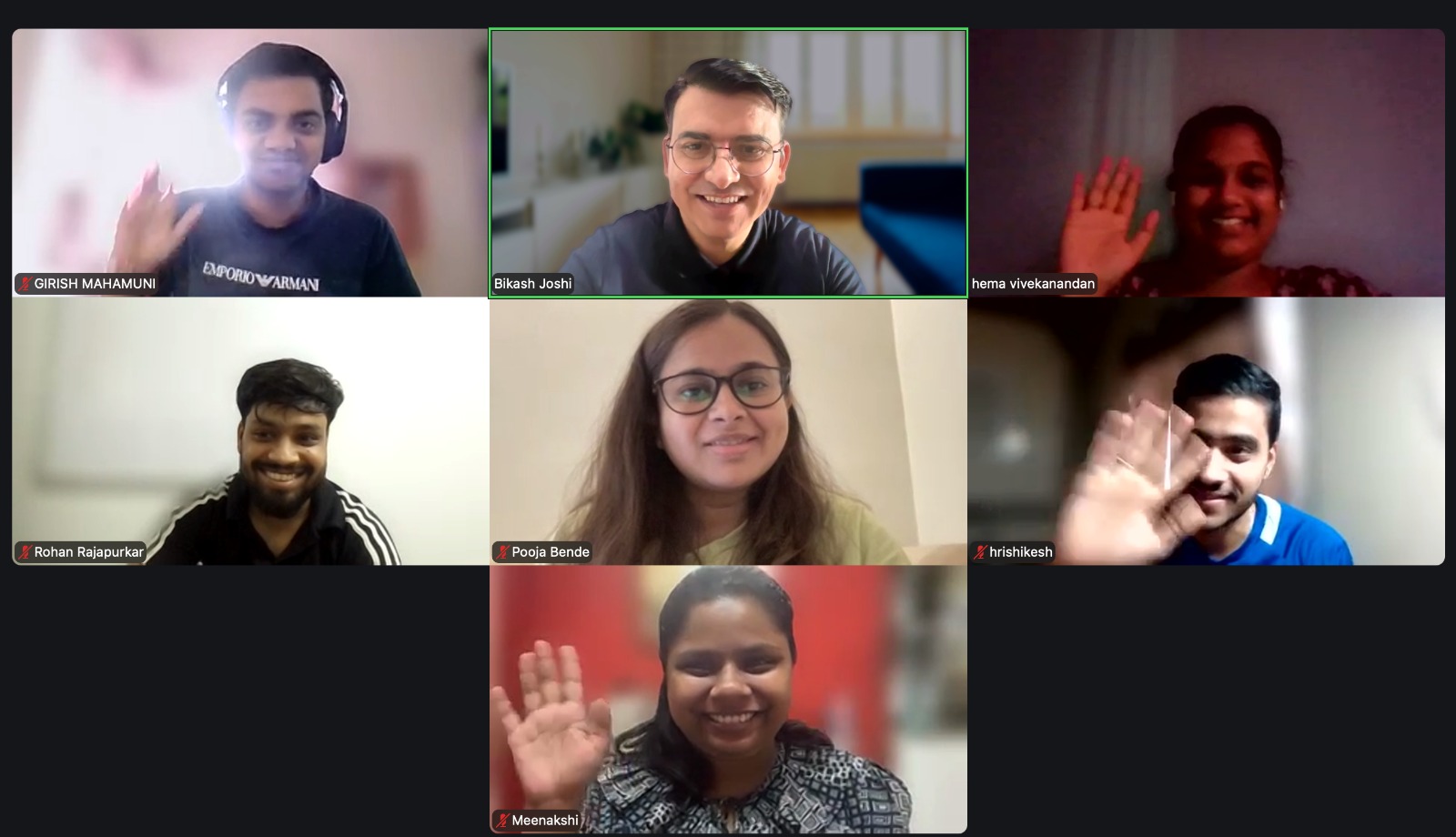
A mentee smiling during an in-person workshop
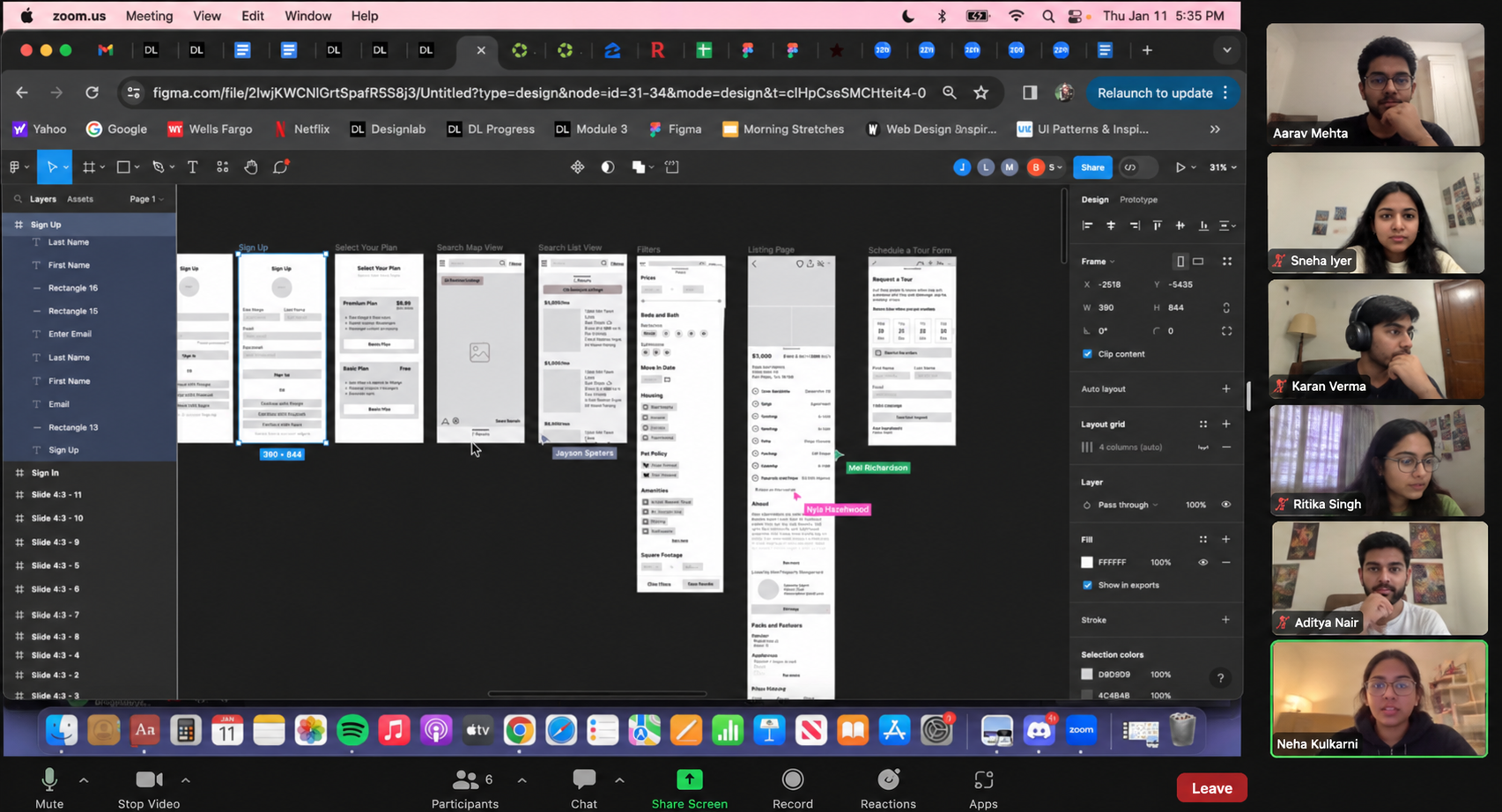
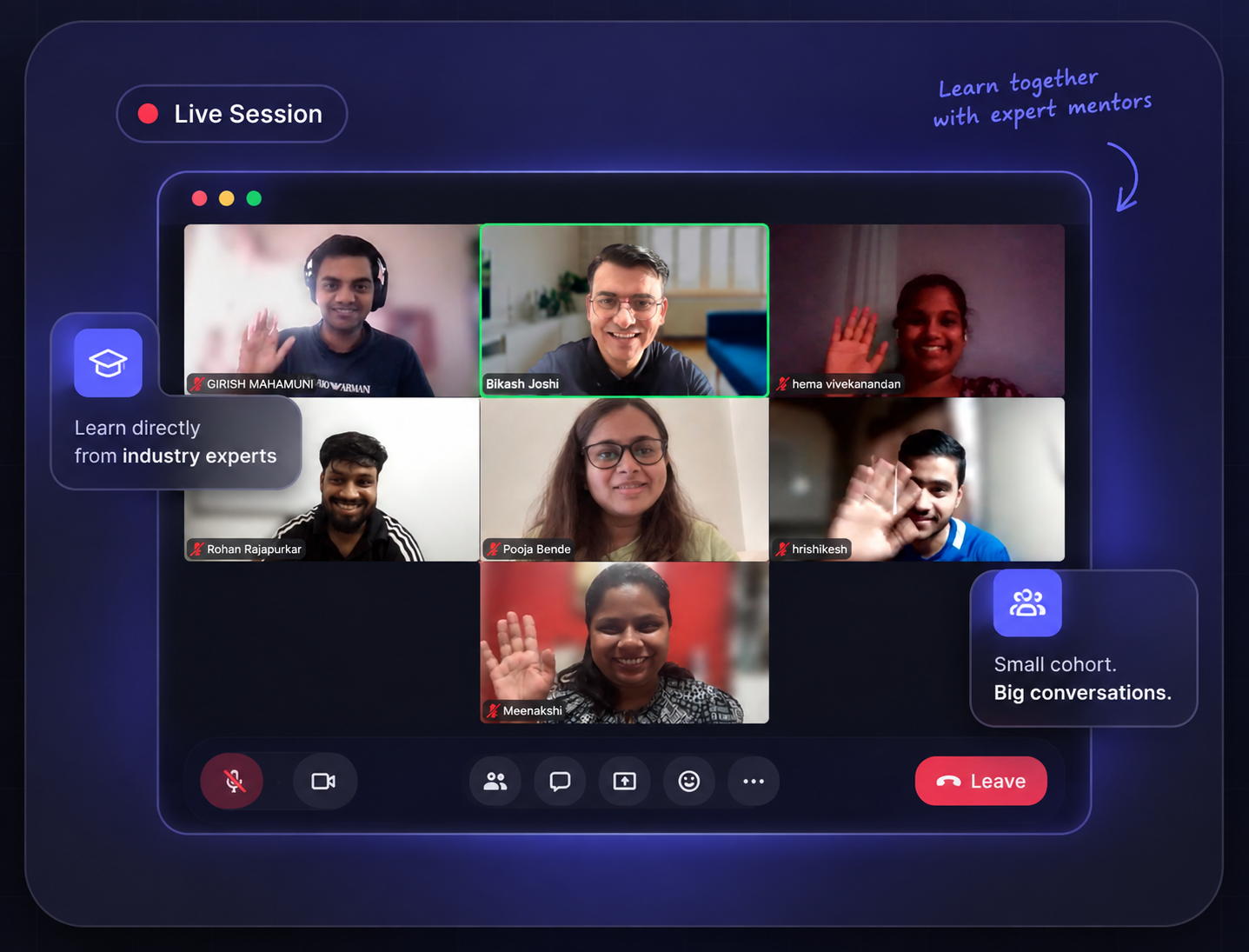
Live mentor-led session on video call
Learners working in Figma during a live online class
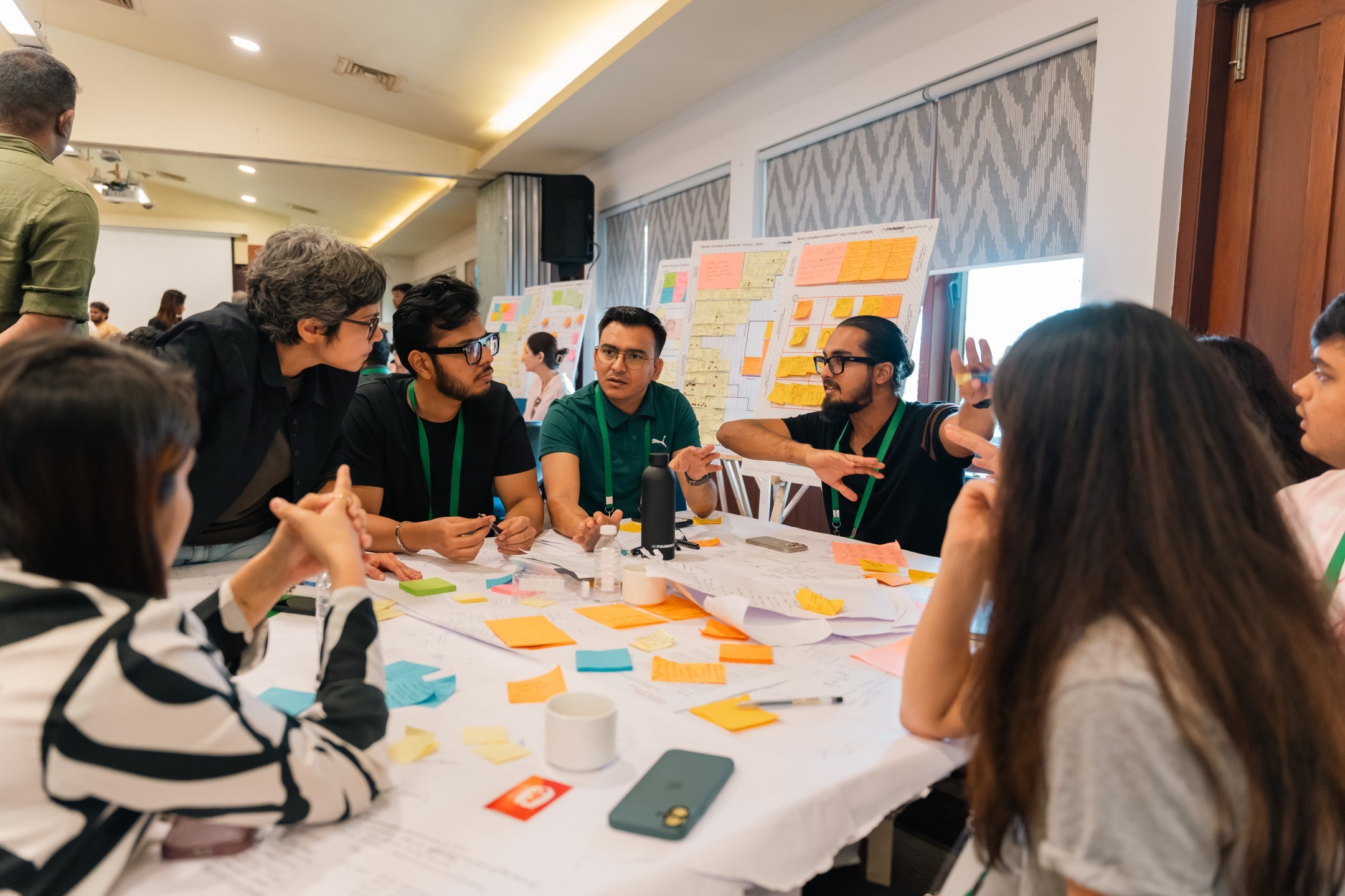
Learners and mentors collaborating around a workshop table
Learners chatting at an offline community meetup
A group of learners laughing together during a session

The Advantage of
Becoming a UX Engineer

The Handoff Designer

Designs it. Hands it over. Moves on.

Owns the design, but not what happens after handoff.

Designs screens and hands the Figma file to developers.

Has limited understanding of how front-end development turns a design into a working product.

Depends on developers for implementation changes.

Uses AI to generate code but struggles to understand or fix it.

Finds implementation issues but cannot always solve them independently.

Has limited influence over what finally gets shipped.

Portfolio shows the design but not a working product they built.

Owns the design. Not the full build.

The UX Engineer

Designs it. Builds it. Owns what ships.

Moves beyond the design file to take more ownership of the product.

Designs with front-end development in mind, not just the handoff.

Understands the Figma to code workflow from interface to working product.

Knows HTML, CSS, JavaScript and React well enough to build and make changes.

Uses AI-assisted front-end development while understanding and validating the code.

Can test, debug and fix implementation issues independently.

Works better with developers because they understand both design and front-end development.

Graduates with a working product they designed, built and shipped.

More ownership. From design to shipped product.

Go beyond the handoff.

Learn to design, build and ship with AI.

Meet your mentor

Learn from someone who's actually built real products.

Bikash Joshi
Lead Mentor

Bikash Joshi

Product Leader & UX Practitioner

Bikash is a Product Leader and UX Practitioner with 12+ years of experience building digital products, leading cross-functional teams and mentoring aspiring Product Managers and Designers. Having mentored 100+ professionals, he helps learners bridge the gap between theory and real-world execution through practical projects, portfolio reviews and career guidance.

Highlights

12+ years of product-building experience
100+ mentees across Product & Design
Product leader, designer and builder

Worked With

dMACQJioMcKinseyIntegreonMTS

Products Built & Led

How it works

Learn. Practise. Get feedback.
Build something you're proud of.

01 / 04 · Learn
Live Session
01 · Learn

Learn the UX fundamentals

Build a strong foundation in UX design, user research, human psychology and problem solving before you touch the tools.

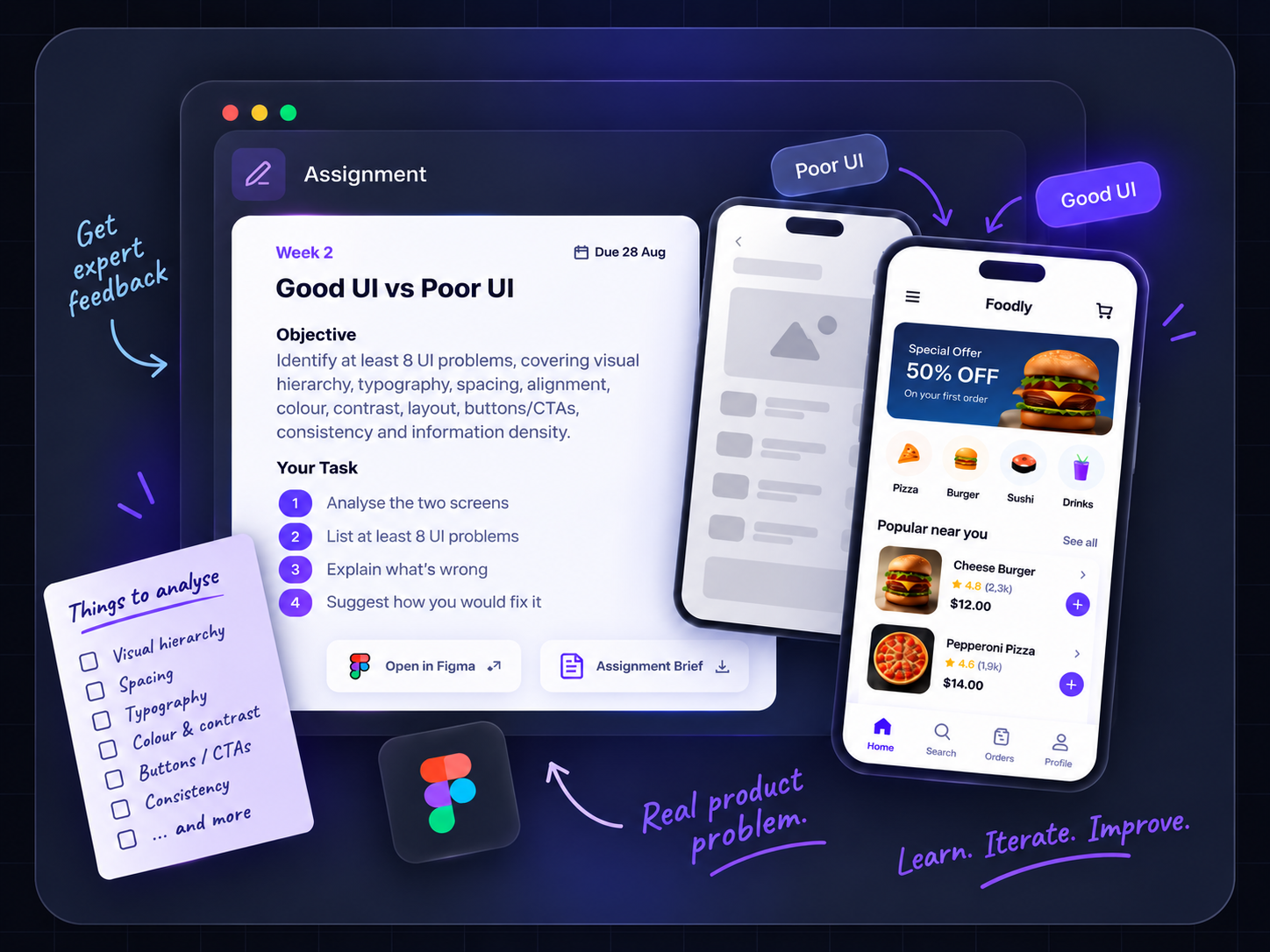
Assignment
02 · Practice

Work on real problems

Apply your UX design skills through practical product assignments. Research user needs, solve real problems and turn your ideas into better product experiences.

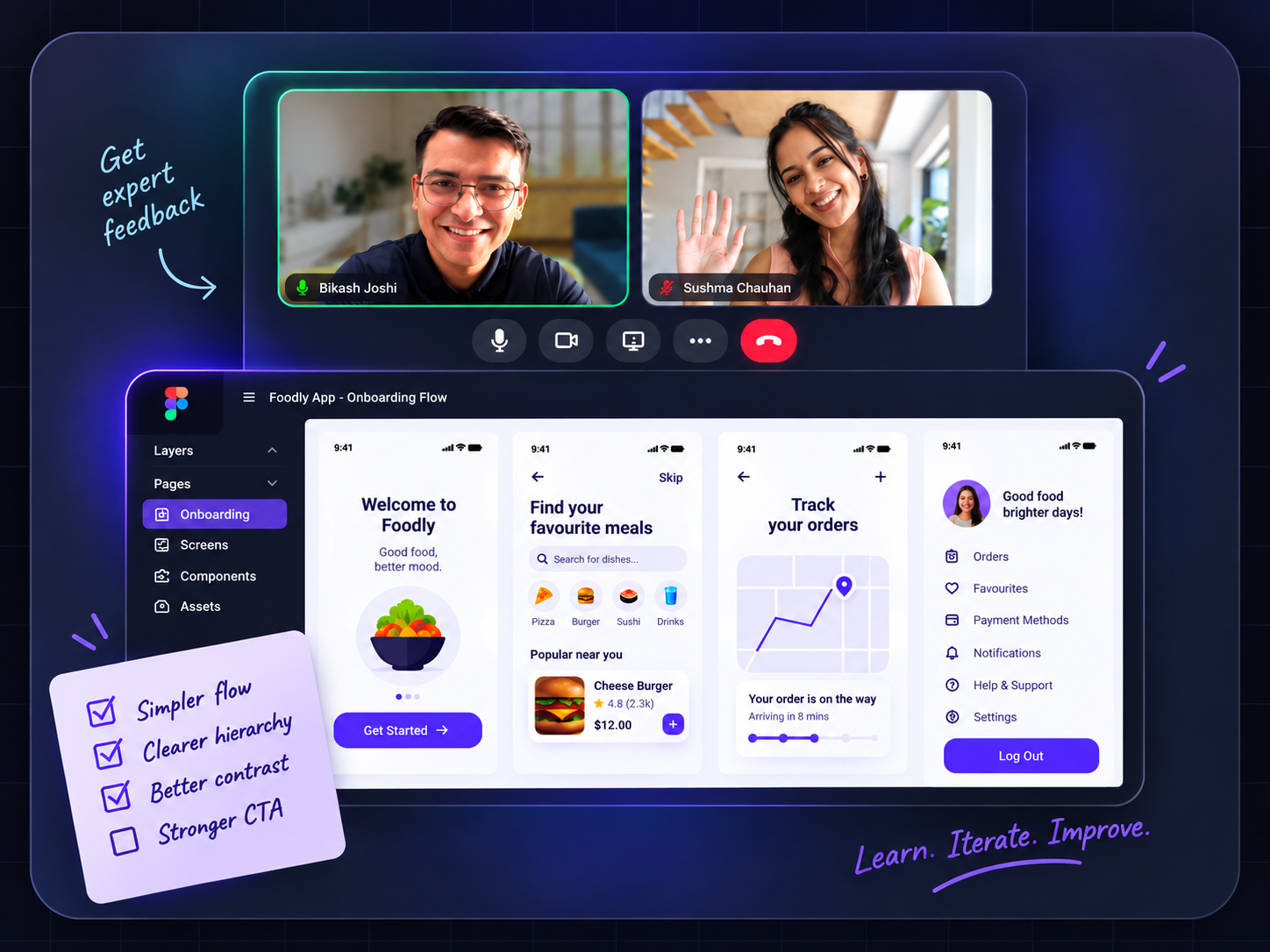
Mentor Review
03 · Improve

Get feedback from experts

Get practical feedback from industry mentors, improve your UX design work and make stronger decisions with every iteration.

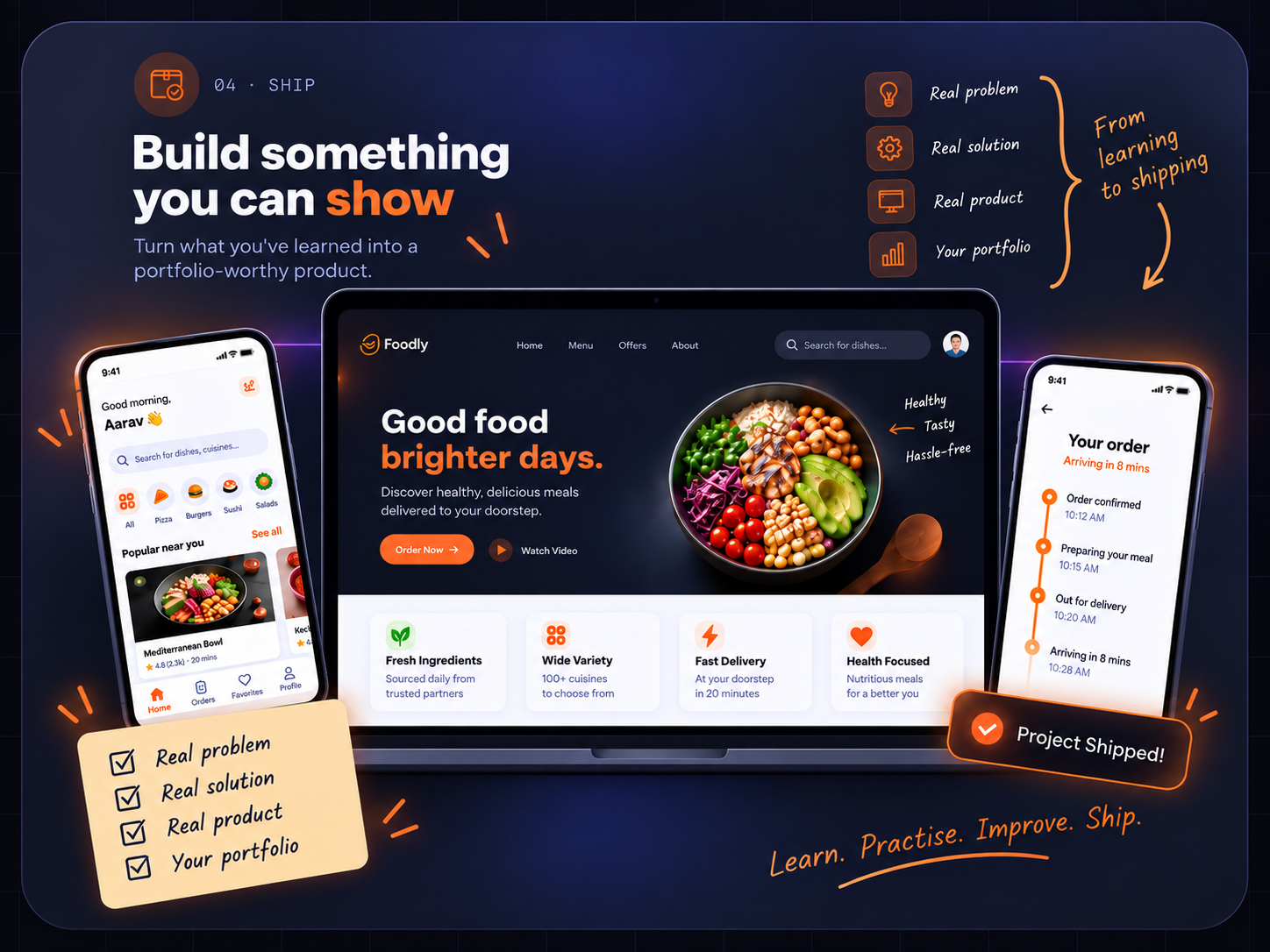
Finished Product
04 · Ship

Build something you can show

Turn your UX design work into a portfolio-ready project that shows how you think, solve problems and improve product experiences.

What his mentees say

Don't take our word for it. Hear it from his mentees.

Photo
Navin Mishra
Navin Mishra
LinkedIn
Product Designer
Jio
Mentored by Bikash Joshi
★★★★★

I had the opportunity to work with Bikash for over three years, and he played a key role in shaping my growth as a designer. His mentorship went beyond design reviews—he taught me how to think critically, solve the right problems, and always put users first. The lessons I learned from him continue to influence my work today.

Photo
Mayank Parab
Mayank Parab
LinkedIn
Senior Product Designer
BrowserStack
Mentored by Bikash Joshi
★★★★★

Bikash didn't just mentor me in building products, he helped shape how I think. He encouraged me to look beyond execution, understand the real problem, and stay grounded in the user's perspective. That shift continues to influence how I approach decisions and solve problems.

Photo
Ashraf Shaikh
Ashraf Shaikh
LinkedIn
UX Designer
PwC
Mentored by Bikash Joshi
★★★★★

Bikash helped me stop designing screens and start solving real problems. His guidance transformed my portfolio and boosted my confidence during interviews.

Photo
Shravan Tiwari
Shravan Tiwari
LinkedIn
Procol
Mentored by Bikash Joshi
★★★★★

Bikash pushed me to think beyond the screen — questioning assumptions, grounding decisions in real user insight, and defending design choices with clear reasoning, not just taste. That shift in how I approach problems has stayed with me well beyond our sessions together.

Photo
Divyansh Pandey
Divyansh Pandey
LinkedIn
Product & Web Designer
Oliv
Mentored by Bikash Joshi
★★★★★

Bikash bridges the gap between theory and real-world practice. His feedback improved my portfolio, sharpened my thinking, and gave me the confidence to succeed in interviews.

Photo
Navin Mishra
Navin Mishra
LinkedIn
Product Designer
Jio
Mentored by Bikash Joshi
★★★★★

I had the opportunity to work with Bikash for over three years, and he played a key role in shaping my growth as a designer. His mentorship went beyond design reviews—he taught me how to think critically, solve the right problems, and always put users first. The lessons I learned from him continue to influence my work today.

Photo
Mayank Parab
Mayank Parab
LinkedIn
Senior Product Designer
BrowserStack
Mentored by Bikash Joshi
★★★★★

Bikash didn't just mentor me in building products, he helped shape how I think. He encouraged me to look beyond execution, understand the real problem, and stay grounded in the user's perspective. That shift continues to influence how I approach decisions and solve problems.

Photo
Ashraf Shaikh
Ashraf Shaikh
LinkedIn
UX Designer
PwC
Mentored by Bikash Joshi
★★★★★

Bikash helped me stop designing screens and start solving real problems. His guidance transformed my portfolio and boosted my confidence during interviews.

Photo
Shravan Tiwari
Shravan Tiwari
LinkedIn
Procol
Mentored by Bikash Joshi
★★★★★

Bikash pushed me to think beyond the screen — questioning assumptions, grounding decisions in real user insight, and defending design choices with clear reasoning, not just taste. That shift in how I approach problems has stayed with me well beyond our sessions together.

Photo
Divyansh Pandey
Divyansh Pandey
LinkedIn
Product & Web Designer
Oliv
Mentored by Bikash Joshi
★★★★★

Bikash bridges the gap between theory and real-world practice. His feedback improved my portfolio, sharpened my thinking, and gave me the confidence to succeed in interviews.

Tools you'll master

Master the tools a UX Engineer actually ships with.

The toolkit a UX Engineer actually ships with — you'll use each one on real work, not just hear it named.

The tools you'll actually use

Figma
Miro
ChatGPT
Claude
Lovable
Replit
Cursor
NanoBanana
Amplitude
MixPanel
Maze
UserTesting
HTML CSS JS
React
VS Code
Playwright
BrowserStack
Vercel
Netlify
GitHub

How a UX Engineer actually works

Research & Synthesis
UserTesting / ChatGPT / Claude
Ideation
Miro / Figjam
Wireframing
Whimsical / Figma Make / Claude Design / Lovable / Replit
Prototyping
Figma Make / Claude Design / Lovable / Replit
Design Systems
Figma / Claude Design
UI Design
Figma / Claude Design
Image & Illustration Creation
ChatGPT / NanoBanana
User Testing
UserTesting / Maze
Build
Cursor / Claude Code
Code Test
Playwright / BrowserStack / ChatGPT
Deploy
Vercel / Netlify / GitHub
Product Analytics
Amplitude / MixPanel

Final tool list confirmed before start — we teach what you'll genuinely use.

Program at a glance

A UX Engineer course built to make you ship.

01

AI-first curriculum

Built around AI tools and Figma to code workflows that designers and engineers use to ship products today.

02

Live, mentor-led sessions

Live hands-on front-end development builds with mentors, not pre-recorded videos you watch alone.

03

Real-product capstone

Finish with a working front-end product that you designed, built and shipped end to end.

04

1:1 with your mentor

Get direct feedback on your design, code and next steps as a UX Engineer.

05

A community that keeps building

Build alongside peers, connect with alumni and keep growing as a designer who can build.

06

Career support

Get support with your UX Engineer portfolio, positioning and technical interview preparation. Support is not a guarantee.

12 weeksPlanned duration
Live & Mentor-ledAll sessions live
30 Seats OnlyPer Cohort

Duration and exact dates confirmed with enrolled members before start.

What you'll learn

UX Engineer Curriculum

Design, build and ship front-end products with AI beside you at every step.

Meet your mentor and cohort
Set up your development environment, GitHub and AI tools
Understand how the course, projects and assignments work
Understand the journey from designer to UX Engineer
OrientationSetupGitHubAI Tools
What is Design? Design as problem solving
Good vs bad design with examples from everyday life
How design has evolved from physical to digital products
Understand the role of a designer in building products
Design FoundationsProblem SolvingDigital Products
What is UX Design and why does it matter?
UX vs UI and how they work together
How graphical interfaces and UX evolved
Explore the different roles across UX and product teams
UX FoundationsUX vs UIProduct Teams
Understand the 5S Framework: Strategy, Scope, Structure, Skeleton and Surface
Connect business goals, user needs and product decisions
Human-centered, user-centered and task-centered design
Understand how design fits into the larger product
UX Strategy5S FrameworkProduct Thinking
How people perceive, think and make decisions
Understand attention, memory and cognitive load
Learn how psychology influences interaction design
Apply psychology to make products easier to use
PsychologyHuman BehaviourCognitive Load
Learn affordances, signifiers, feedback and constraints
Understand mental models, mapping and discoverability
Learn about friction, errors and task continuity
Apply UX principles to analyse real products
UX PrinciplesMental ModelsUsability
Learn Design Thinking, Double Diamond and Lean UX
Understand how different teams approach product problems
Know when to use different UX processes
Connect UX thinking with product development
Design ThinkingDouble DiamondLean UX
Understand the complete UX process from problem to product
Discover, Define, Ideate, Prototype, Test and Ship
Understand where design, development and users come together
Learn how a UX Engineer contributes across the process
UX ProcessEnd-to-EndProduct Development
Understand how AI fits into the design and development workflow
Learn prompting for better design and code outcomes
Work with ChatGPT, Claude, Cursor, Lovable and Replit
Learn how to use AI without losing control of the work
AI ToolsPromptingAI Workflow
Understand how websites are structured
Learn semantic HTML and accessibility
Translate design layouts into HTML
Build your first structured webpage
HTMLStructureAccessibility
Understand how CSS controls the visual layer
Learn Flexbox, Grid and responsive layouts
Work with spacing, typography, variables and states
Add transitions and animations to your interfaces
CSSResponsive DesignUI Development
Read a Figma design like a developer
Convert real UI designs into HTML and CSS
Build responsive layouts from design specifications
Use AI to accelerate the design-to-code workflow
Figma to CodeHTMLCSSAI
Understand variables, functions, arrays and objects
Learn conditions, loops and basic programming logic
Understand how JavaScript works with a webpage
Build small interactions to strengthen your fundamentals
JavaScriptProgramming LogicFundamentals
Make interfaces interactive with JavaScript
Work with the DOM, events and user actions
Build forms, validation and dynamic UI states
Understand asynchronous behaviour in web applications
JavaScriptInteractionFormsDOM
Understand how products communicate with backend services
Learn REST APIs, JSON and Fetch
Connect your interface to real data
Handle loading, success and error states
APIsJSONReal DataProduct Integration
Understand why modern products use component-based development
Learn JSX, components, props and state
Turn designs into reusable UI components
Understand the basics of a modern frontend application
ReactNext.jsComponents
Build interactive applications with React
Learn Hooks, routing, forms and state management
Structure your application for scale
Turn your UX designs into a working product
ReactNext.jsApplications
Use AI to generate and modify frontend code
Work effectively with Cursor and Claude Code
Learn how to debug and improve AI-generated code
Review, understand and validate what AI builds
AI CodingCursorClaude CodeDebugging
Learn how to find and fix frontend issues
Debug using browser developer tools
Test interactions and user flows with Playwright
Check your product across browsers and screen sizes
TestingDebuggingPlaywrightBrowserStack
Understand Git and GitHub workflows
Learn version control and collaborative development
Deploy your product using Vercel or Netlify
Take your product from local development to the web
GitGitHubDeploymentVercel
Build a portfolio that shows design and development skills
Create a strong GitHub and LinkedIn profile
Prepare for design and technical interviews
Understand career paths and opportunities for UX Engineers
PortfolioGitHubInterviewsCareer
Choose and define a real product problem
Research users and design the experience
Plan the product structure and technical architecture
Start building your product with mentor guidance
CapstoneUXArchitectureBuild
Complete the product and frontend implementation
Test, debug and improve the experience
Deploy your product and prepare your case study
Prepare your product and presentation for Demo Day
BuildTestDeployCase Study
Present the product you designed and built
Explain your decisions, process and technical approach
Receive feedback from mentors and industry experts
Graduate with a working product and a portfolio piece
Demo DayProductPresentationGraduation

You'll learn HTML, CSS, JavaScript and React from the ground up — then AI writes the code and you validate it. That's what separates a UX Engineer from someone who just prompts and hopes.

Create a compelling Portfolio

Apply your UX Engineer skills to solve real product problems with expert mentor guidance and create working portfolio projects you will be proud to show.

Netflix — Improve content discovery and reduce early drop-offs — designed and deployed live.
What you'll do
Research
Analyse
Redesign
Validate
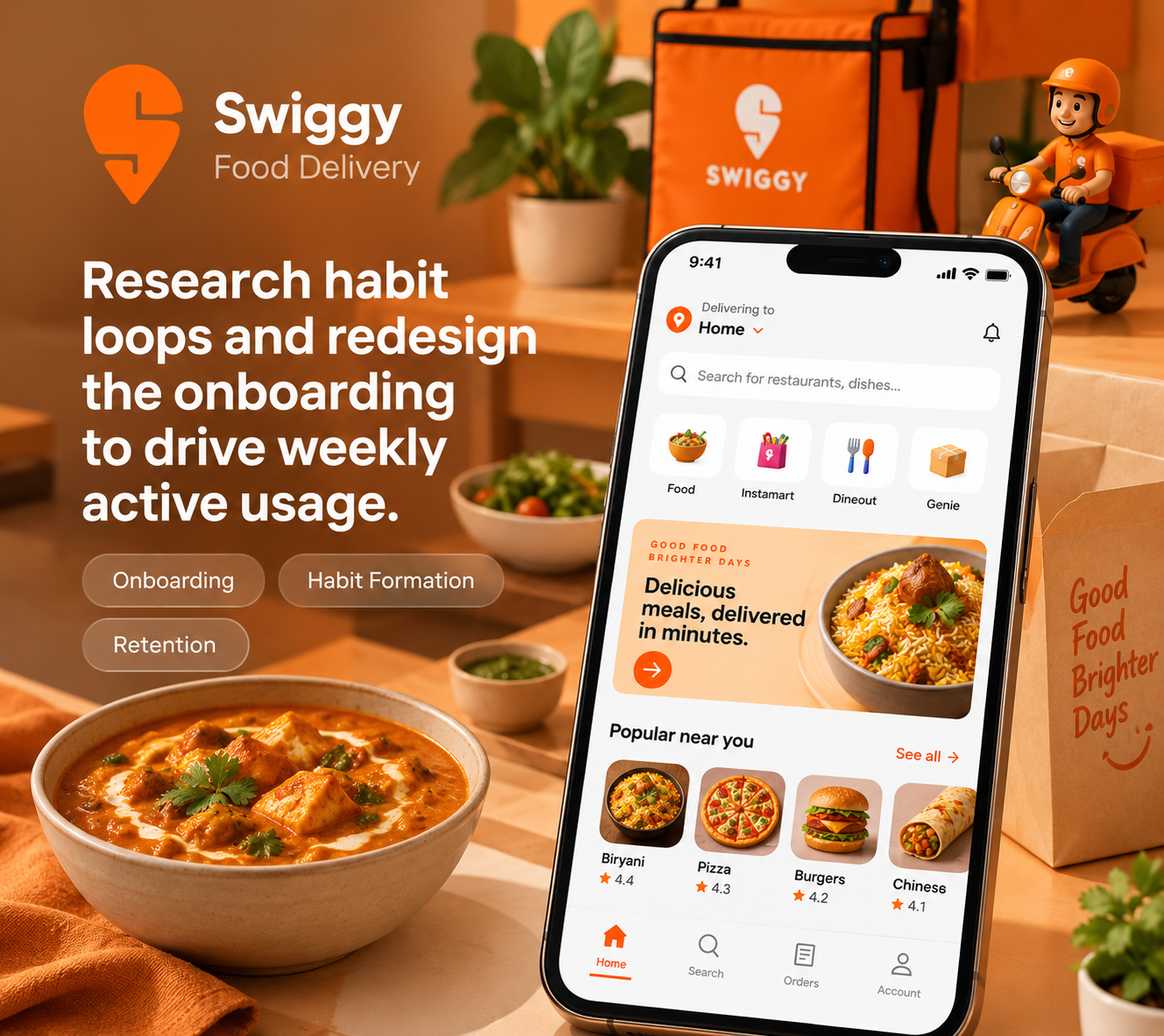
Swiggy — Redesign and ship the onboarding — from user research to a working front-end.
What you'll do
Research
Define
Design
Test
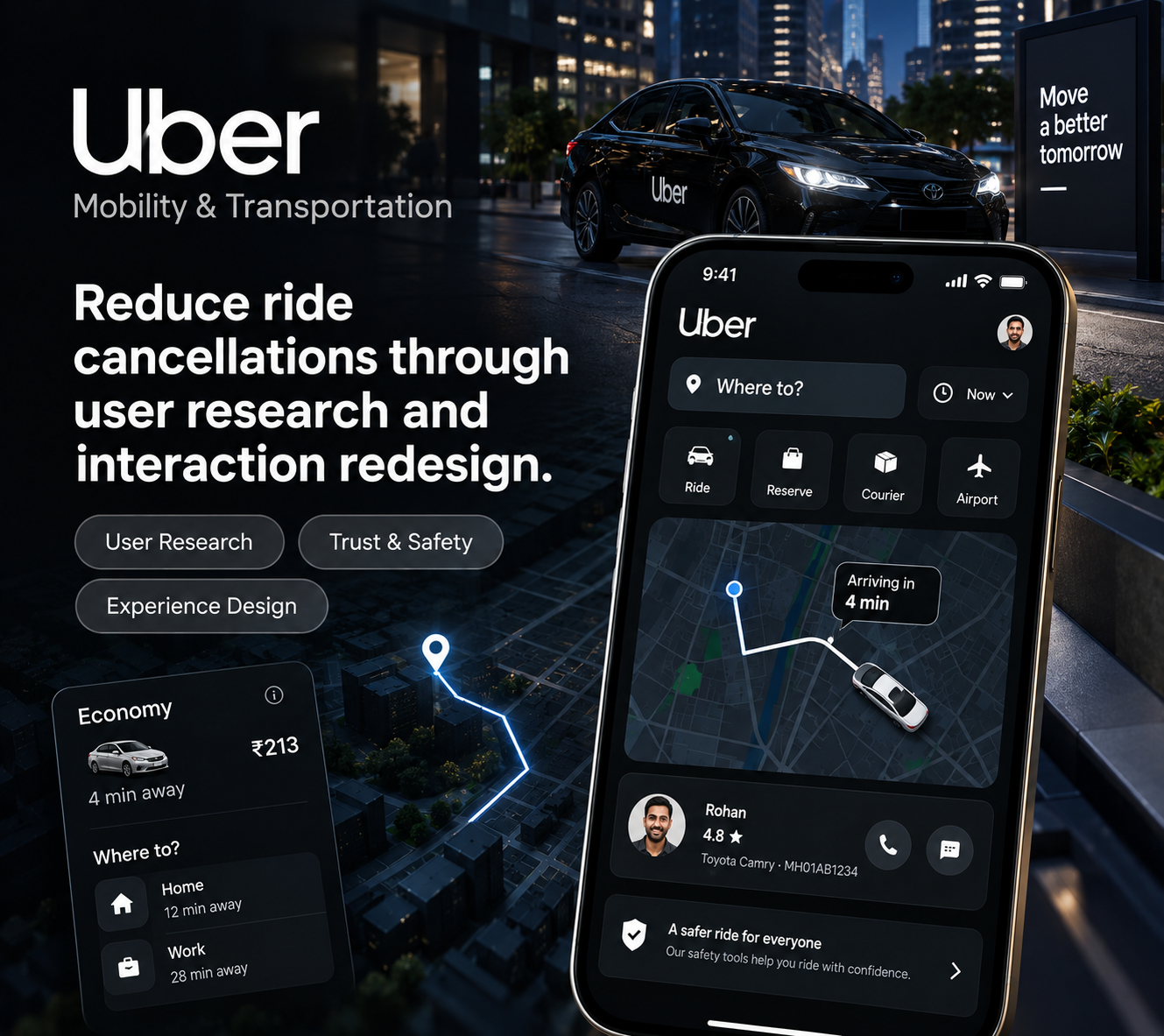
Uber — Reduce checkout friction — diagnose the drop-off, redesign and build the responsive version.
What you'll do
Diagnose
Ideate
Redesign
Validate

Ready to build your portfolio?

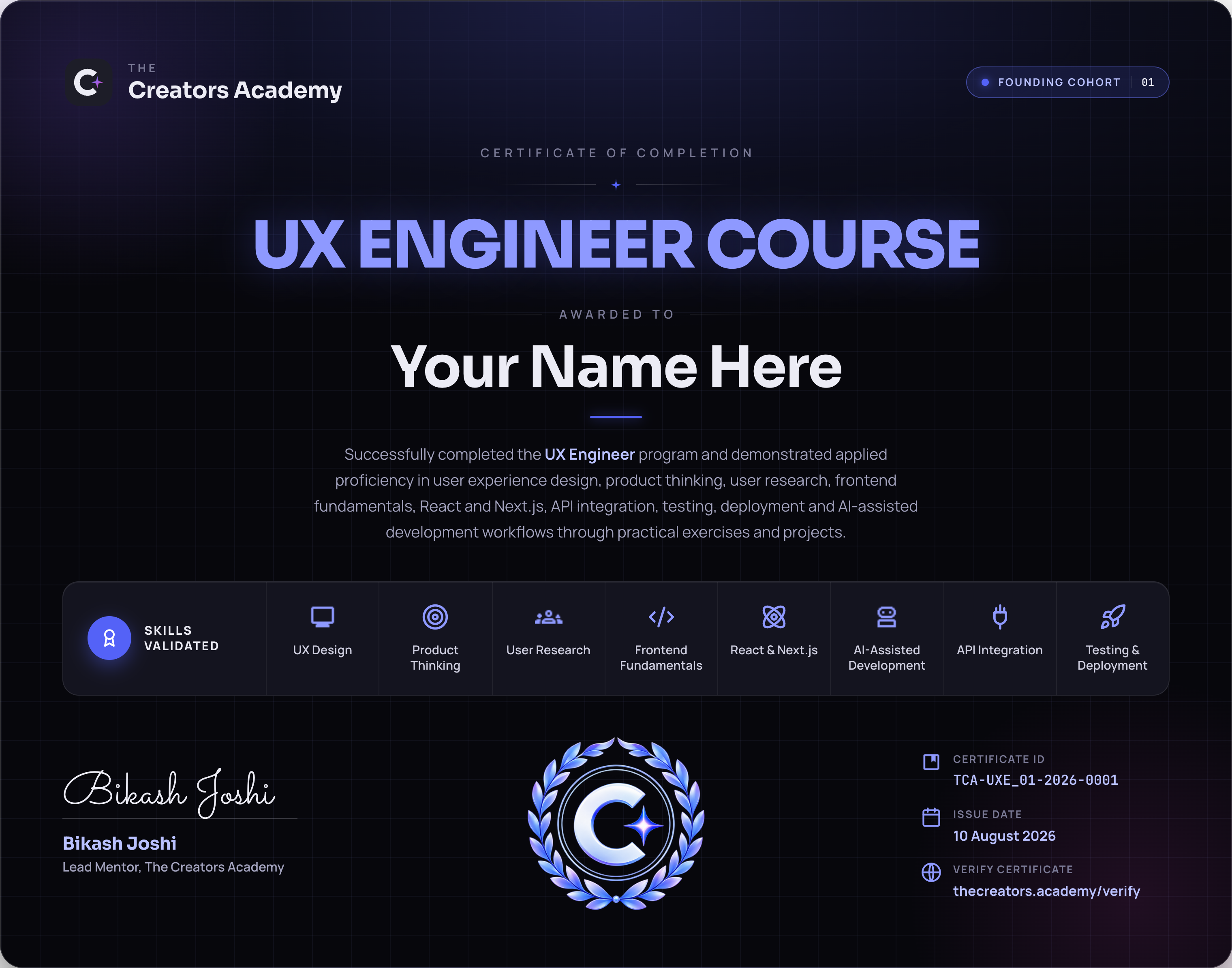
Your credential

Earn your certificate of completion.

Finish this UX Engineer course with a real product you designed, built and shipped. Your certificate recognises the front-end development skills and product work you demonstrated along the way.

Awarded after completing your UX Engineer capstone project
Signed by your Lead Mentor
Shareable on LinkedIn and in your portfolio
Earned by designing, building and shipping a real product
UX Engineer Certificate
How your week looksTentative

Your weekly UX Engineer learning schedule.

See how live front-end development sessions, mentor support and practical build assignments fit into each week. Final timings are confirmed before the course begins.

Core session
Live, mentor-led learning
Sat & Sun4:00–7:00 PM IST
Learn the week's core front-end development concept and framework
Understand how code and UX work together in real product builds
Receive the assignment and project brief for the week
Q&A session
Assignment clarification and mentor support
Wednesday9:00 PM IST
Get answers to questions about the week's assignment
Clarify concepts, expectations and deliverables
Resolve blockers before submission
Assignment
Hands-on product building
Due on Friday of the same weekAsync
Complete the build assignment shared during the Core Session
Apply HTML, CSS, JavaScript and React concepts to a practical product challenge
Submit your work for mentor review and feedback

Provisional schedule — final times confirmed with enrolled members before start.

Career support

Career support to back your move.

We support your next move with UX Engineer interview preparation, professional positioning and portfolio reviews. We help you prepare for a role without promising one.

01

Interview prep

1:1 mock interviews across your UX Engineer portfolio, design and technical rounds.

Face interviews with confidence
02

Professional branding

Build a resume, LinkedIn profile and UX Engineer portfolio that show you can design and build.

Stand out with confidence
03

Career counselling

Create a clear UX Engineer career path and identify the roles worth targeting next.

Make informed decisions
04

Communication

Sharpen how you present your design, code and product decisions in interviews.

Present with clarity

Ready to own the build?

Join the cohort and finish with a working product, UX Engineer portfolio and clear plan.

Honest fit

Is this program for you?

Become the designer who ships. This UX Engineer course is for people ready to own design and front-end development, not just hand off a file and hope.

UX Designers
who want to own the build, not just the Figma file
Front-end-curious designers
ready to turn Figma designs into working products
Career switchers
moving into UX design and front-end development who want both skills
Self-taught builders
who want structure, mentor feedback and a UX Engineer portfolio
Bootcamp grads
who want stronger design skills and practical AI coding workflows
Anyone tired of handing off
and hoping it ships the way they meant it
Program fee

Ready to become a UX Engineer?

If you want to design and build real products, this UX Engineer course helps you develop front-end development skills with AI and find the right next step for your career.

Loading pricing…

EMI option available in Payment Page Secure and hassle-free payment

Scholarships

We offer a limited number of scholarships to help make the program more accessible.

Scholarships can provide partial funding towards the program fee, based on your profile and circumstances.

Merit Scholarship

For learners who demonstrate strong potential and a genuine commitment to building a career in UX Design.

Need-Based Scholarship

For learners who are ready to learn but need financial support to make the program possible.

Women in Design Scholarship

For women looking to build or grow their career in UX Design and digital products.

Student Scholarship

For students who want to build practical UX skills and prepare for a career in the industry.

FAQs

Good to know

It's the emerging design + build role that product teams are increasingly hiring for — and the one they struggle most to fill. It goes by different names depending on the company: UX Engineer, Design Engineer, Product Designer who codes, Front-end Designer. What they're all describing is the same thing — someone who can own design AND the front-end build. You graduate able to do both, with a portfolio that proves it.

AI replaces the layer of work that's purely execution — making screens look polished without understanding why. A UX Engineer owns research, design decisions, the build and the outcome. That's four layers of value. AI makes each one faster; it doesn't own any of them. The more of the chain you own, the harder you are to replace.

You don't have to. But right now, every design decision you make after the Figma handoff is out of your hands. A UX Engineer changes that — you own what ships, not just what you designed. As AI makes coding more accessible, the gap between designer and front-end developer is shrinking. The designers moving into that gap are the ones building careers that are harder to cut.

Both — in the right order. You learn real HTML, CSS, JavaScript and APIs first, so you understand what you're building and why. Then AI (Cursor, Lovable, Claude Code) becomes a genuine accelerator — not a crutch. The difference between a UX Engineer and a vibe-coder is that when the AI-generated code breaks, you can read it, understand it and fix it. That's what this course builds.

No prior coding experience required. The course is built for working designers — we start from the design foundation you already have and layer the front-end skills on top. You'll need to be comfortable in Figma and have some UX design experience. If you're brand new to design, the AI-Driven UX Designer course is the right starting point.

Yes — this course is for working designers, not complete beginners. You should already understand the basics of UX process, wireframing and UI design. If you're starting from zero, start with the AI-Driven UX Designer course first, then come back here.

A front-end bootcamp teaches you to code. This course teaches you to design AND code — as one person, owning the full chain. The design half is not an afterthought; it's 50% of the curriculum. And unlike a bootcamp, you finish with a product you both designed and built, not just a set of coding exercises.

The Designer course is for aspirants learning UX for the first time — pure design, no code. The UX Engineer course is for working designers who want to add the front-end build layer. It assumes you already know design basics and goes deep on HTML, CSS, JavaScript, APIs and React. The two courses are a ladder: Designer first, Engineer next.

For design: Figma Make, Claude Design, Lovable, v0, NanoBanana. For building: Cursor, Replit, Lovable, Claude Code. For research and synthesis: ChatGPT, Claude, UserTesting. For testing and deployment: Playwright, BrowserStack, Vercel, Netlify, GitHub. Final tool list confirmed before the cohort starts — we teach what you'll genuinely use.

Plan for 10–12 hours a week — 6 hours of live sessions (Sat/Sun core + Wed Q&A) and 4–6 hours for assignments and project work. The build modules require more hands-on time than the design modules, so budget more in the second half of the course.

Core sessions run Saturday and Sunday, 4:00–7:00 PM IST. Q&A and doubt-solving is Wednesday at 9:00 PM IST. Assignments are due Friday of the same week. Final times confirmed with enrolled members before the cohort starts.

All sessions are live with the mentor — no pre-recorded videos you watch alone. If you miss a session, recordings are available, but the live format is the point: real-time critique, real-time feedback, real builds happening in front of you.

12 weeks, planned. Exact start date confirmed with enrolled members before launch.

You pick a real product problem, research it yourself, design it in Figma, then build the working front-end and deploy it to a live URL. By Demo Day you present a product you can actually link to — not a case study of a Figma file. That's the difference between this capstone and a design-only course.

You'll have one end-to-end case study: a product you researched, designed and built yourself, live at a real URL. That's fundamentally different from a portfolio of Figma mockups — you can show the design decisions AND the code, and walk through both in an interview. That's what UX Engineer and Design Engineer roles specifically ask for.

The founding cohort price is ₹49,999, inclusive of all taxes. EMI options are available. This is a one-time founding rate for Cohort 01 — price confirmed at enrolment.

No. We give you the skills, the portfolio, the positioning and the interview prep to win a role. We don't promise one. What we can say: you finish with a working product you designed and built, which is more than most candidates walk in with.

Yes — portfolio review, LinkedIn and professional branding, career counselling on which roles to target, and mock interviews across design, technical and behavioural rounds. We prepare you for the full UX Engineer interview, not just the design half.

A focused session with your mentor after the capstone — reviewing your portfolio, your positioning and mapping your specific next move. Which roles to target, how to talk about your design + build skill, and what to work on next.

Yes — awarded on a shipped capstone, not attendance. Signed by your Lead Mentor and shareable on LinkedIn and your portfolio.

Small on purpose. More direct mentor time, more personal feedback on your builds, and a cohort where everyone actually knows each other. Once the 30 seats are gone, this price is gone too.

Ready to build?

Stop handing off.
Start owning the build.

You already know how to design. Now learn to build, ship and improve what you create.